
The WAHAFA Project, funded by Welthungerhilfe (WHH) and supported by ADRA Germany is transforming the way communities in flood-prone areas prepare for disasters. In regions where seasonal flooding often disrupts lives and livelihoods, the project has introduced a forward-looking approach that places communities at the center of preparedness and response. Through targeted training and capacity-building initiatives, Village Disaster Risk Management Committees (VDRMCs) and community health volunteers are now better equipped to anticipate and respond to climate-related shocks.
Before the intervention, many communities relied heavily on reactive, top-down emergency responses that often came too late to prevent significant losses. Flood warnings, when issued, were not always understood or effectively acted upon at the local level. This gap left households with vulnerable livelihoods destroyed, homes damaged, and access to essential services disrupted. The lack of localized knowledge and structured response mechanisms meant that even when early warning information was available, it rarely translated into timely action.
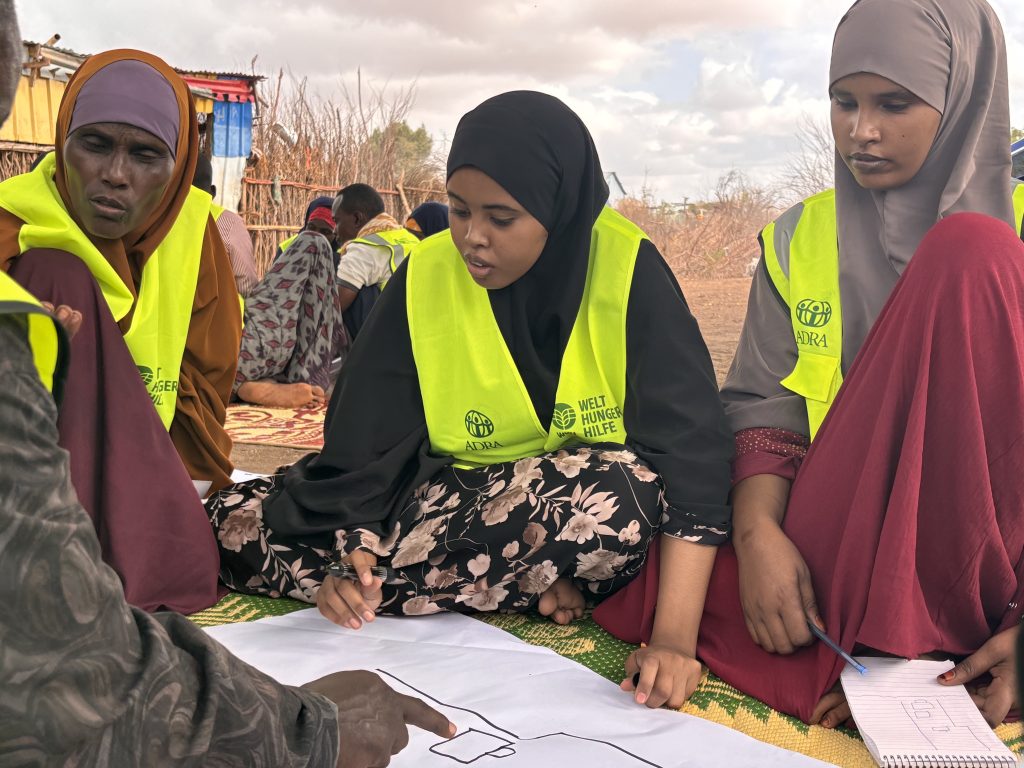
Through the WAHAFA Project, this narrative is changing. The project has successfully trained VDRMC members and community health volunteers on Anticipatory Action (AA) systems, enabling them to interpret early warning signals and activate response plans. Participants gained practical skills in disaster preparedness, risk analysis, and community coordination. As a result, they are now able to take proactive, low-regret actions such as relocating vulnerable households, safeguarding livestock, and securing essential supplies before floodwater rises.
In Riverland areas where early warning signals can be issued days in advance, these trained local actors have become the first line of defense. Their presence and readiness have significantly improved the speed and effectiveness of community responses. Instead of waiting for external assistance, communities are now initiating their own preparedness measures, reducing damage and ensuring that critical needs are addressed early. This shift has not only saved lives but has also preserved livelihoods and strengthened overall resilience.
The impact extends beyond immediate disaster response. The project has fostered a sense of ownership and empowerment among community members. VDRMCs and health volunteers are now recognized as key leaders within their communities, trusted to guide preparedness efforts and coordinate responses during emergencies. This localized leadership model ensures that interventions are context-specific, culturally appropriate, and sustainable in the long term.
The WAHAFA Project demonstrates that investing in local preparedness is more than just a strategy, it is a sustainable solution for building climate resilience. By strengthening community capacity and promoting proactive disaster management, the project is helping to create a future where communities are not only able to withstand shocks but also adapt and thrive in the face of increasing climate challenges.